
You don’t need kneading skills or a stand mixer. This Wholesome Quick No Knead Bread Dutch Ovens recipe asks for four ingredients, a bowl, and patience—not effort. Mix flour, yeast, salt, and water. Walk away. Come back tomorrow to crusty, golden bread that smells like a European bakery. The dough does the work while you sleep, making this the ultimate beginner bread. No intimidating techniques. No sticky counters. Just foolproof, rustic loaves that make you look like you’ve been baking for years.
Why You’ll Love This
- Truly hands-off: Five minutes of mixing, then time does everything
- Four ingredients: Flour, yeast, salt, water—nothing fancy
- Beginner-proof: No kneading means no way to mess it up
- Bakery crust at home: That crackling, golden shell happens automatically in the Dutch oven
Key Ingredients
Bread flour (360 grams): Higher protein than all-purpose creates better structure during that long rise. The gluten develops on its own, giving you those beautiful air pockets inside. Don’t substitute with all-purpose unless you’re okay with denser bread.
Active dry yeast (¼ teaspoon): Tiny amount, massive flavor. The long fermentation with minimal yeast builds complex, slightly tangy notes you can’t rush. This isn’t a typo—less yeast plus more time equals better taste.
Kosher salt (2 teaspoons): Controls fermentation speed and deepens flavor. Don’t skip it. The coarse grains dissolve slowly, seasoning the dough evenly as it rests. Table salt works but use less—it’s finer and saltier by volume.
Lukewarm water (316 ml): Not hot, not cold. Around body temperature. Too hot kills yeast. Too cold slows everything down. The dough should feel sticky—that’s moisture creating steam inside the Dutch oven for that crackling crust.
Here in Asheville, I keep my flour in the fridge during summer. Cold flour needs slightly warmer water to hit that lukewarm sweet spot.
Instructions
Mix the dry ingredients in your largest bowl. Whisk the flour, yeast, and salt together so the yeast distributes evenly. No clumps.
Pour in the water all at once. Use a wooden spoon to stir everything into a shaggy, sticky mess. This takes maybe two minutes. The dough won’t look smooth—that’s correct. If it seems dry or flour pockets remain, add water one tablespoon at a time. You can use clean hands to squeeze and feel. Sticky is good. Really.
Cover with a kitchen towel and find a warm spot. Not hot—just away from drafts. A corner of your counter works. Now walk away for 18-24 hours. The dough will bubble, rise, and develop flavor while you live your life. Check it once if you’re curious, but don’t touch.
Flour your counter lightly after the long rest. The dough will look bubbly and smell faintly sour in a good way. Gently coax it out of the bowl by folding edges toward the center, then tipping it onto the counter. It’ll be sticky and stretchy. Don’t panic. Work slowly. It releases cleanly if you’re patient.
Shape into a ball by tucking edges underneath, rotating as you go. You’re creating surface tension. Place it seam-side down on a large piece of parchment paper. Dust the top with flour. Cover with the towel again. Let it rise 1-2 hours until doubled. It’ll look puffy and soft.
Preheat your Dutch oven empty in a 450°F oven for the last 30 minutes of rising. This step is critical. The screaming-hot pot creates instant oven spring—that dramatic rise when the dough first hits heat.
Transfer carefully when ready. Pull the Dutch oven out (use thick oven mitts—it’s dangerously hot). Lift the dough by the parchment edges and lower it into the pot. The paper goes in too. Clamp the lid on. Bake 30 minutes covered. Don’t peek.
Remove the lid after 30 minutes. The loaf will be pale and puffy. Bake another 20-30 minutes uncovered until deep golden brown. You want color—that’s flavor. The crust will crack and sing as it bakes.
Cool completely on a rack. This is torture but necessary. The interior is still cooking from residual heat. Slice too early and you’ll get gummy texture. Wait 30-45 minutes. Then tear in.
Tips & Variations
Room temperature matters: If your house runs cold, the dough needs the full 24 hours. Warmer kitchens can finish in 18. Look for doubled size and bubbles, not the clock.
Dutch oven substitutes: Any heavy pot with a lid works—enameled cast iron, plain cast iron, even a ceramic baker. Just needs to handle 450°F.
Whole wheat version: Swap up to one cup of bread flour for whole wheat. Add two extra tablespoons of water. The bran absorbs more liquid. You’ll get nuttier flavor and denser crumb.
Herb variation: After the first rise, fold in rosemary, thyme, or garlic. Press them into the surface before the second rise so they bake into the crust.
No parchment: Dust the risen dough heavily with cornmeal and drop it directly into the hot pot. Riskier but works.
Storage & Pairings
Store cut-side down on the counter for two days. The crust softens but the bread stays good. Freeze slices in a zip-top bag for up to three months. Toast straight from frozen. Serve with butter and jam, alongside soup, or as the base for avocado toast. This Wholesome Quick No Knead Bread Dutch Ovens makes everything better.
FAQ
Can I use instant yeast instead of active dry?
Yes, same amount. Instant dissolves faster but the long rise time makes the difference negligible. Both work perfectly in this Wholesome Quick No Knead Bread Dutch Ovens recipe.
Why is my bread dense instead of airy?
Usually means the dough didn’t rise long enough or your yeast was old. Check the expiration date. Make sure the rising spot is warm, not cold. The dough should look bubbly and smell yeasty before baking.
💡 Loved this recipe? Follow Us on Pinterest for more!
Conclusion
Four ingredients. One bowl. Zero kneading. This bread proves that the best recipes are often the simplest. Mix it tonight, bake it tomorrow, and enjoy the kind of crust and crumb that usually requires a bakery. You’ve got this.
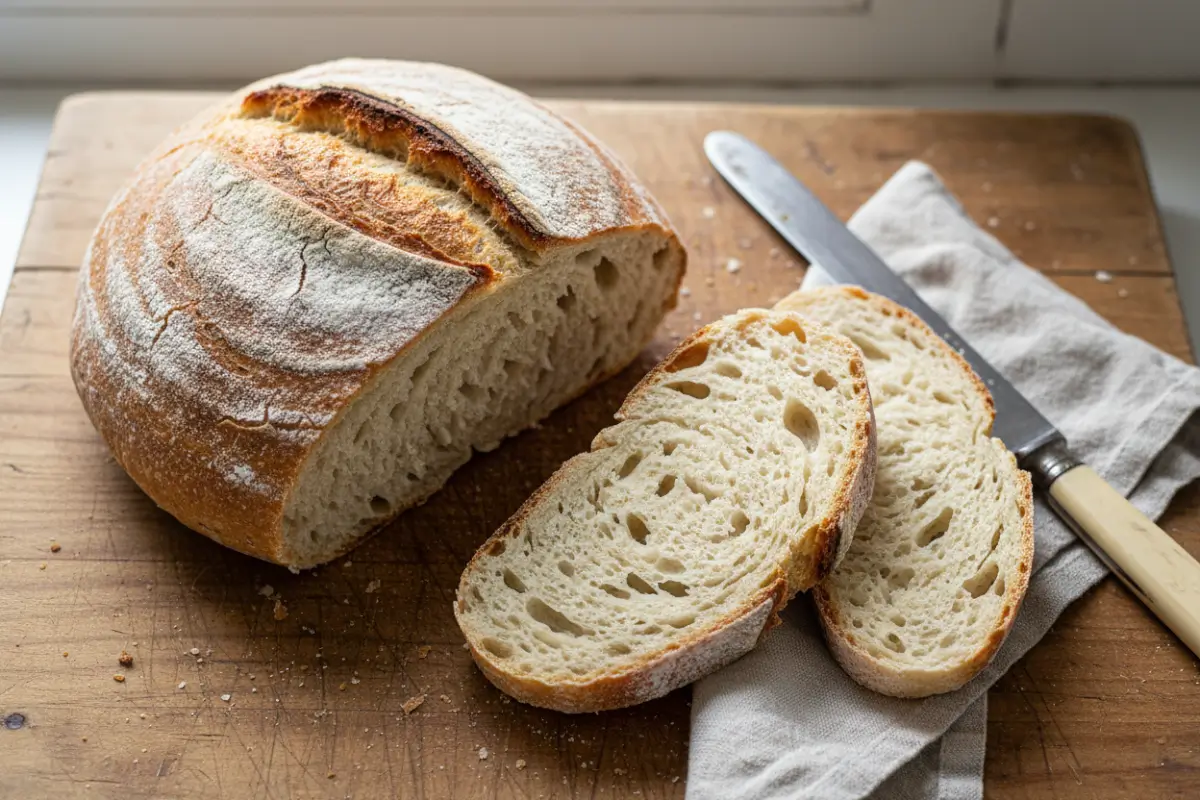
Easy Wholesome Quick No Knead Bread Dutch Ovens
Ingredients
Equipment
Method
- Mix the dry ingredients in your largest bowl.
- Pour in the water all at once and stir into a shaggy mess.
- Cover with a kitchen towel and let rise for 18-24 hours.
- Flour your counter lightly and coax dough out of the bowl.
- Shape into a ball and let rise again for 1-2 hours.
- Preheat your Dutch oven in a 450°F oven for 30 minutes before baking.
- Transfer the dough into the hot Dutch oven and cover.
- Bake for 30 minutes covered, then remove lid and bake until golden brown.
- Cool completely on a rack before slicing.
